
Description
About this item:
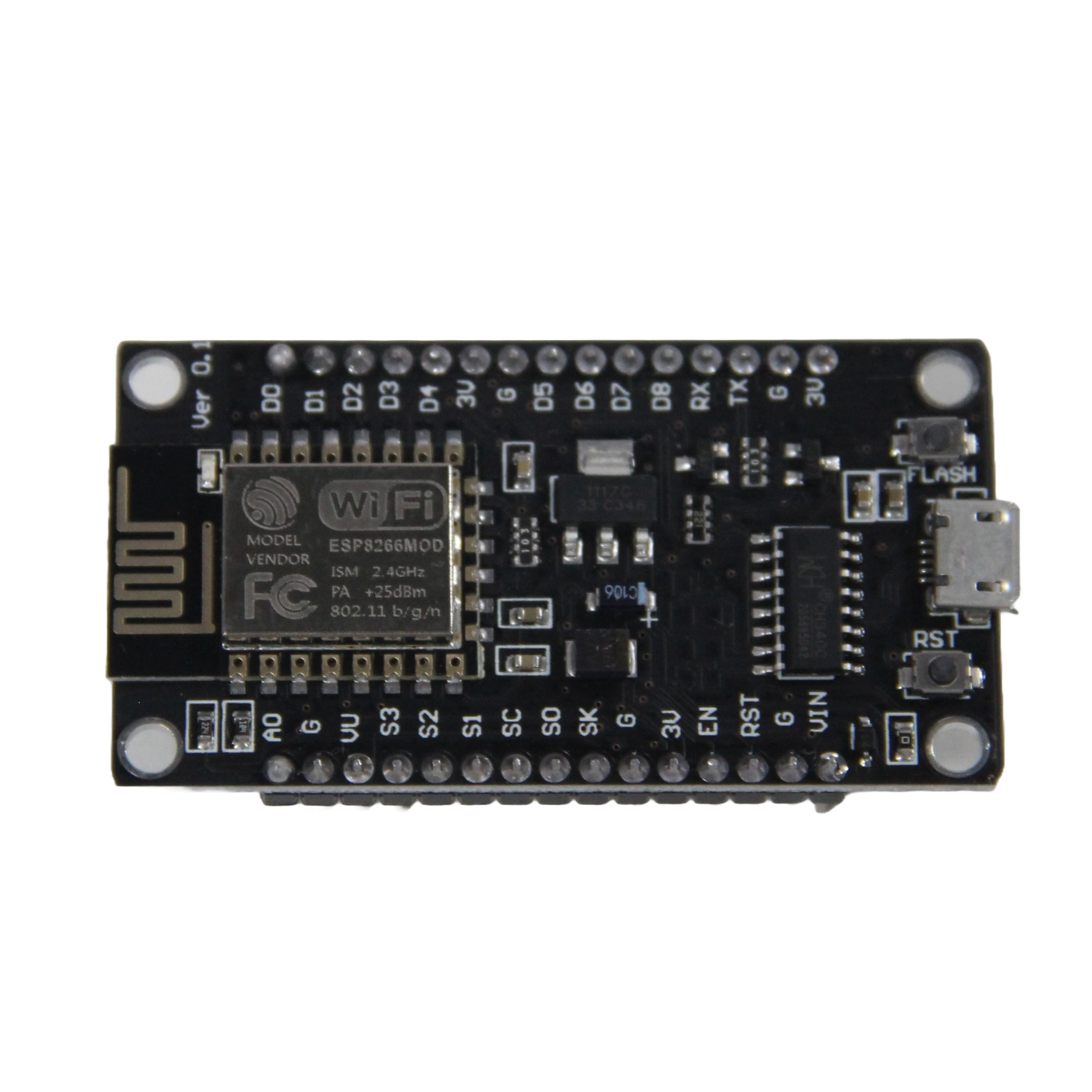
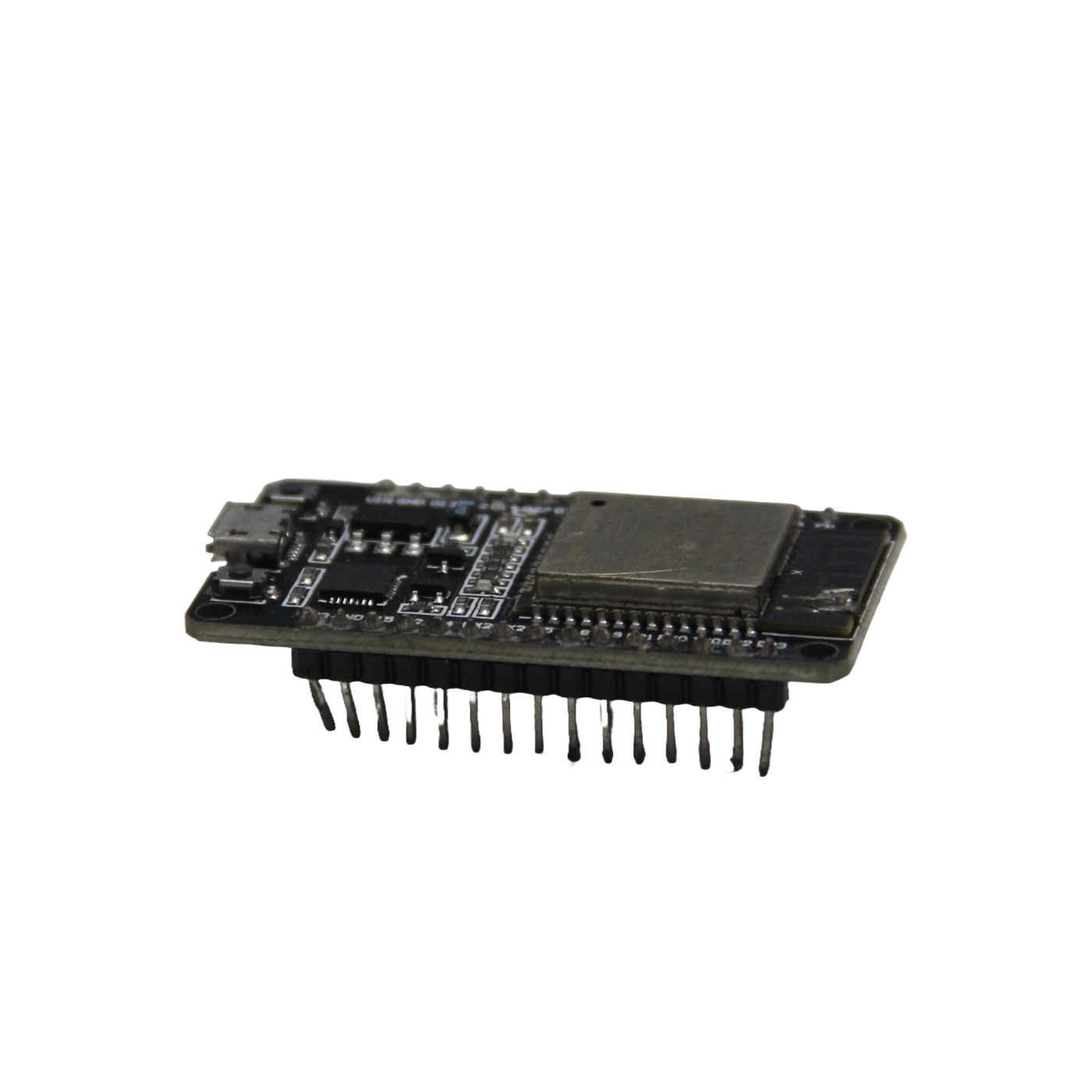
The NodeMCU ESP8266 development board is a popular and versatile platform for building Internet of Things (IoT) applications. It integrates the ESP8266EX microcontroller with built-in Wi-Fi, allowing direct connection to the internet without the need for additional modules. Based on the ESP-12E module, it comes with an onboard USB-to-serial interface (commonly CP2102 or CH340), enabling easy programming through a micro-USB cable.
Key Specifications:
-
Microcontroller: ESP8266EX (Tensilica L106 32-bit, single-core)
-
Operating Voltage: 3.3V (board accepts 5V via USB or VIN pin)
-
Wi-Fi Connectivity: IEEE 802.11 b/g/n with integrated TCP/IP stack
-
Flash Memory: Typically 4MB (varies by manufacturer)
-
GPIO Pins: 17 configurable pins supporting PWM, I2C, SPI, UART, and ADC (1 channel)
-
Clock Speed: 80 MHz (overclockable to 160 MHz)
-
USB Interface: Micro-USB with onboard USB-to-UART converter (CP2102/CH340)
-
Programming Support: Arduino IDE, NodeMCU (Lua scripting), MicroPython, and PlatformIO
-
Power Consumption: Low-power modes supported for battery-driven projects
Features & Benefits:
-
Integrated Wi-Fi for wireless IoT projects
-
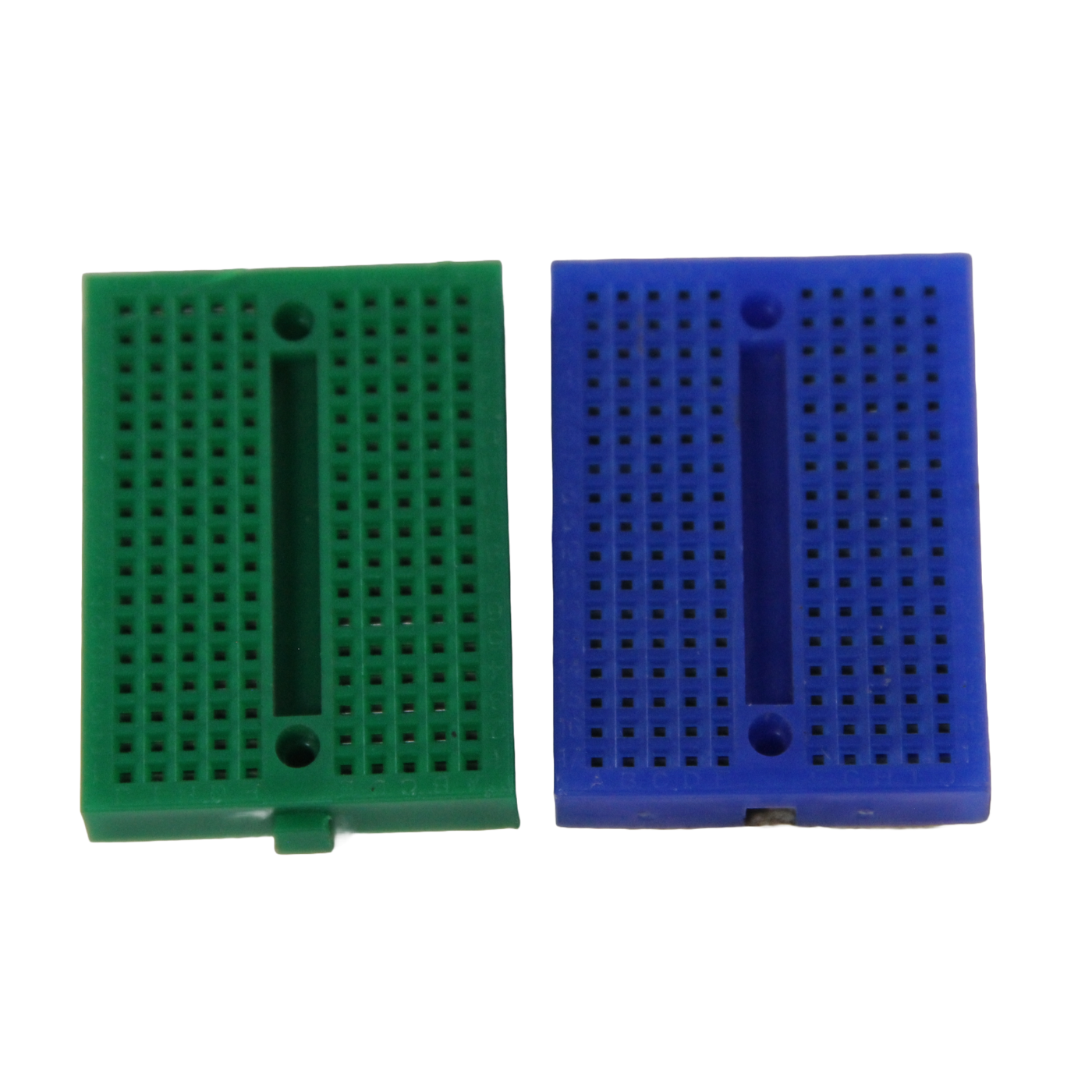
Breadboard-friendly design with pin headers for easy prototyping
-
USB plug-and-play support for programming and power supply
-
Wide ecosystem with libraries, firmware, and community support
-
Suitable for home automation, sensor networks, smart devices, and rapid IoT prototyping
 Receiver Module 6 channel (2.4G 6 CH i-Bus PPM Receiver)
 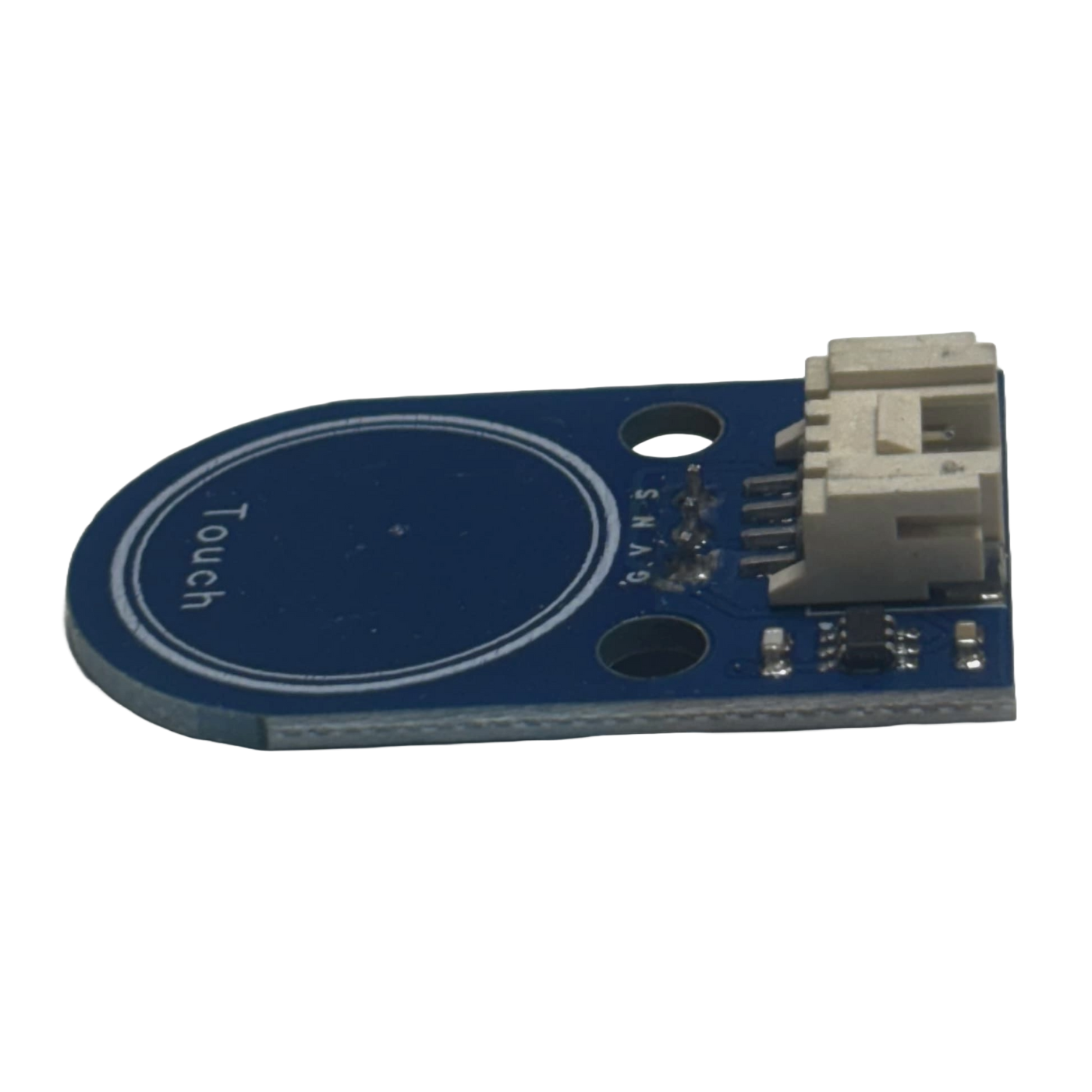 Touch Switch Sensor Module
  GPS Module with Compas (Ublox 7M)
 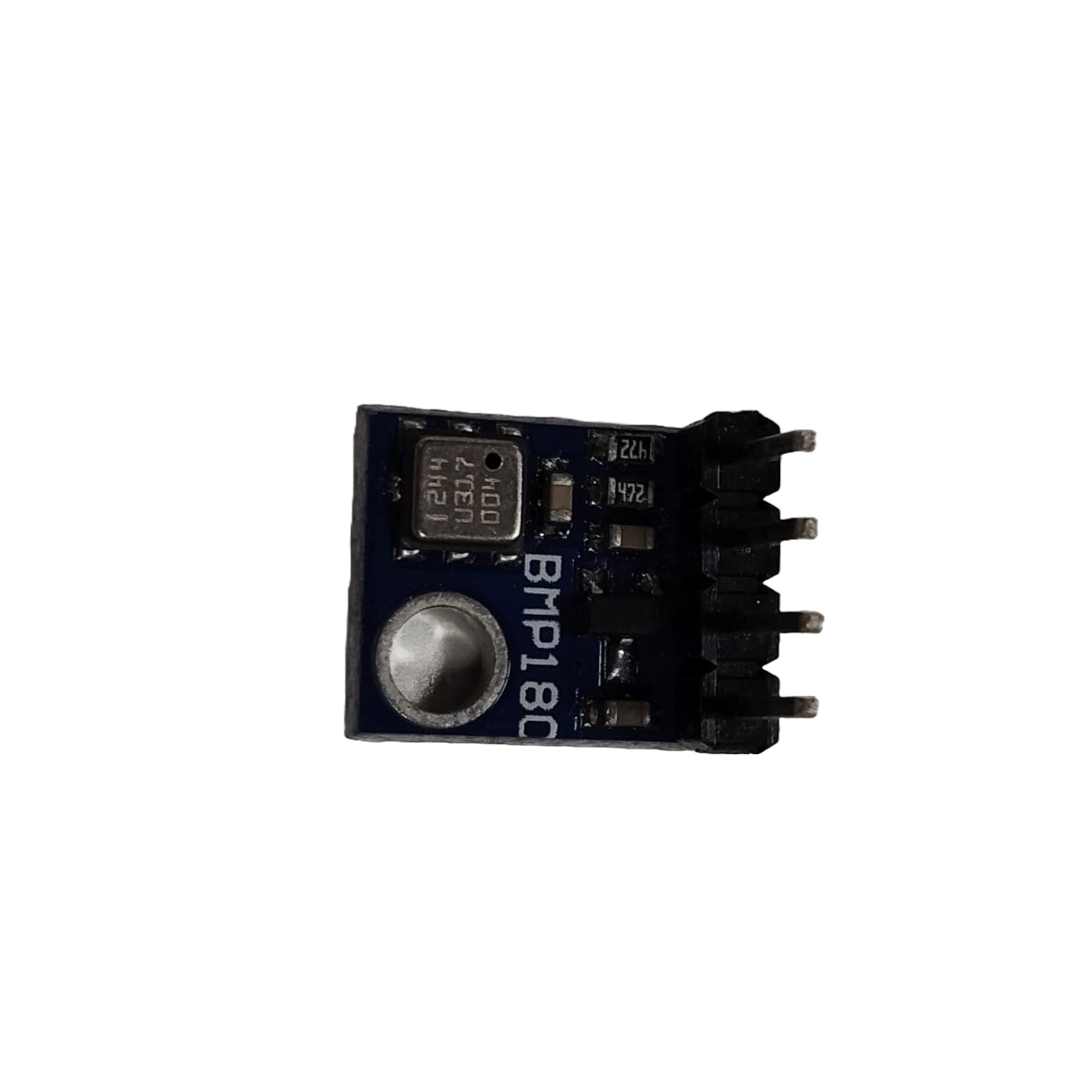 BMP180 Digital Barometric Pressure Sensor Module
 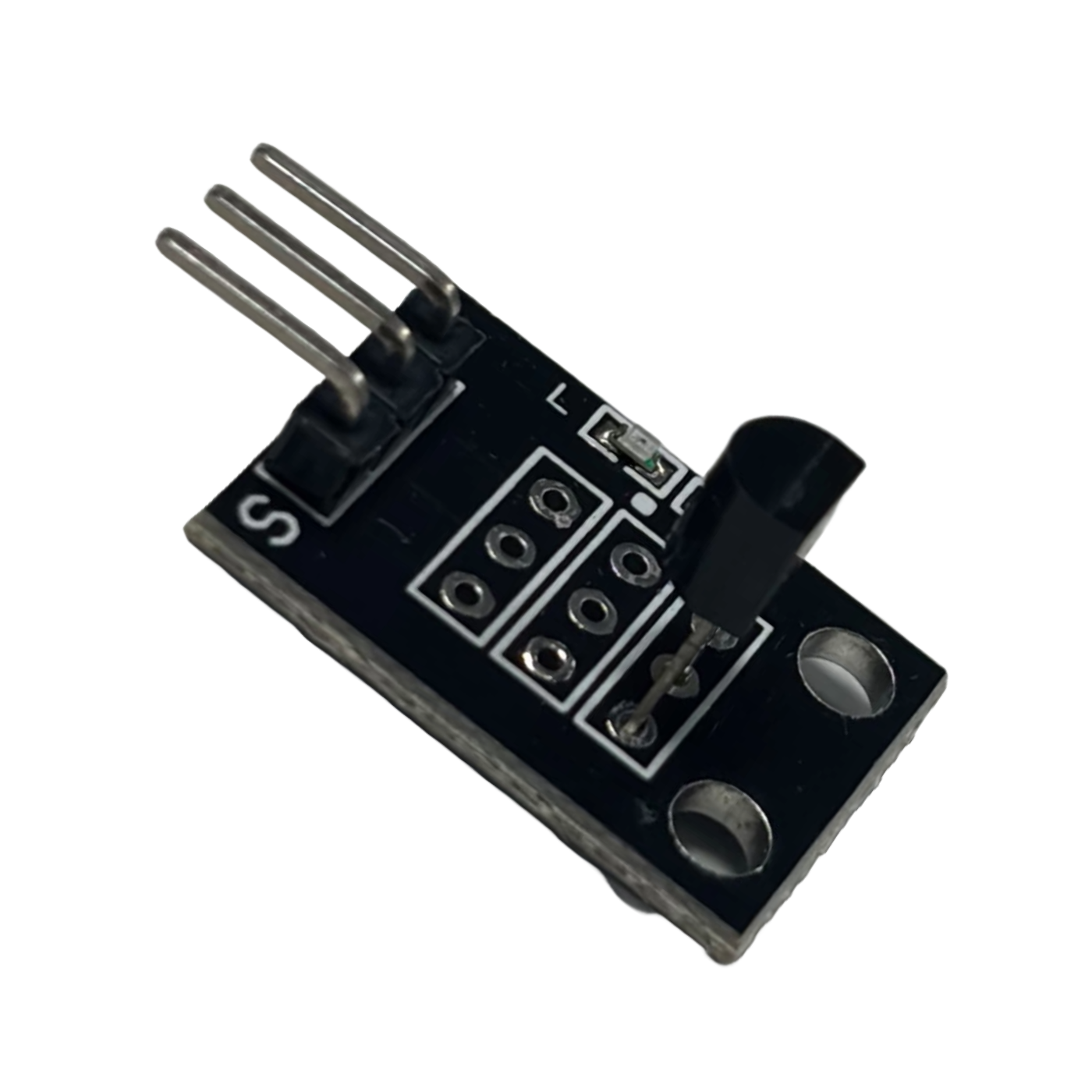 DS18B20 Digital Temperature Sensor Module (3-Pin)
 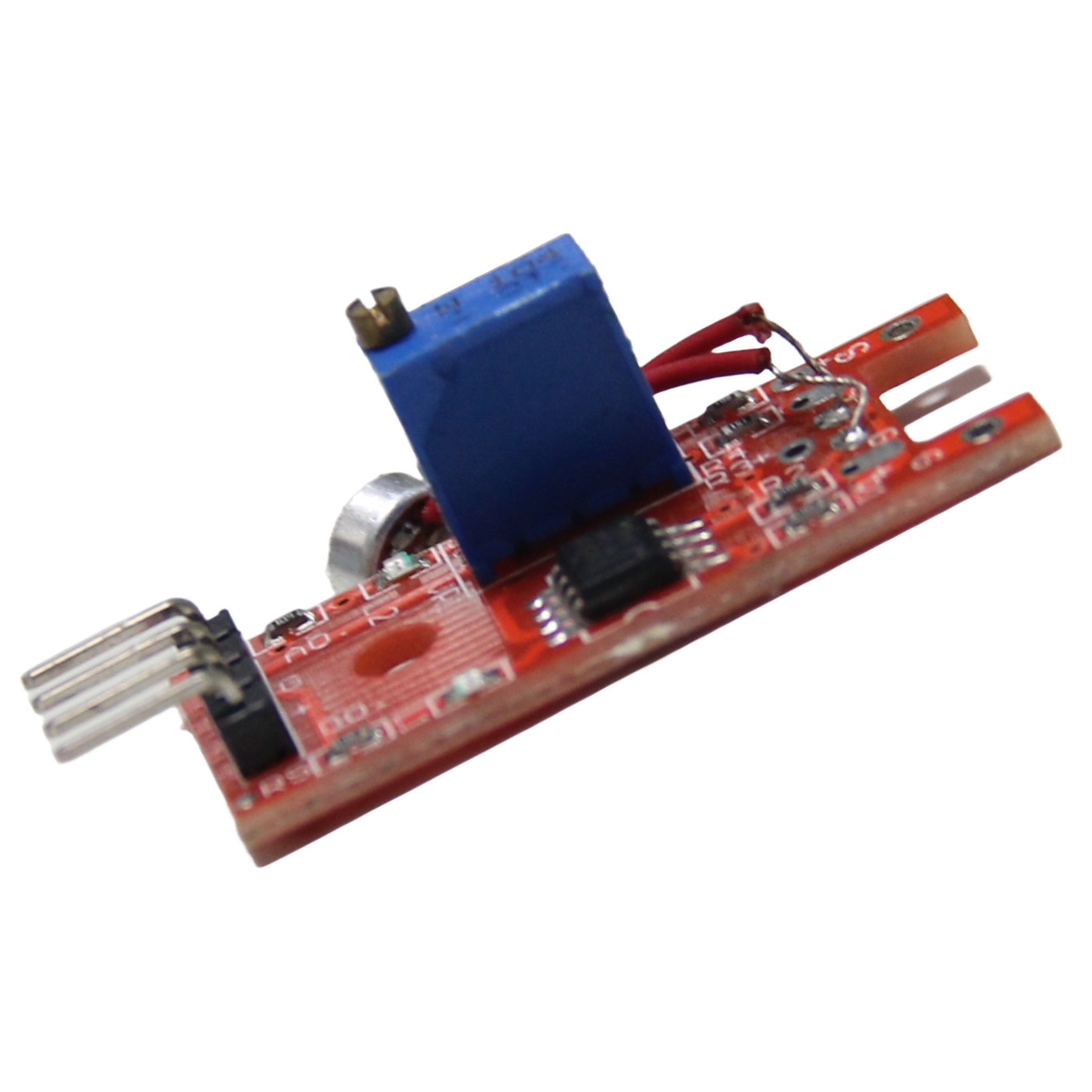 HW-484 Sound Sensor Module
 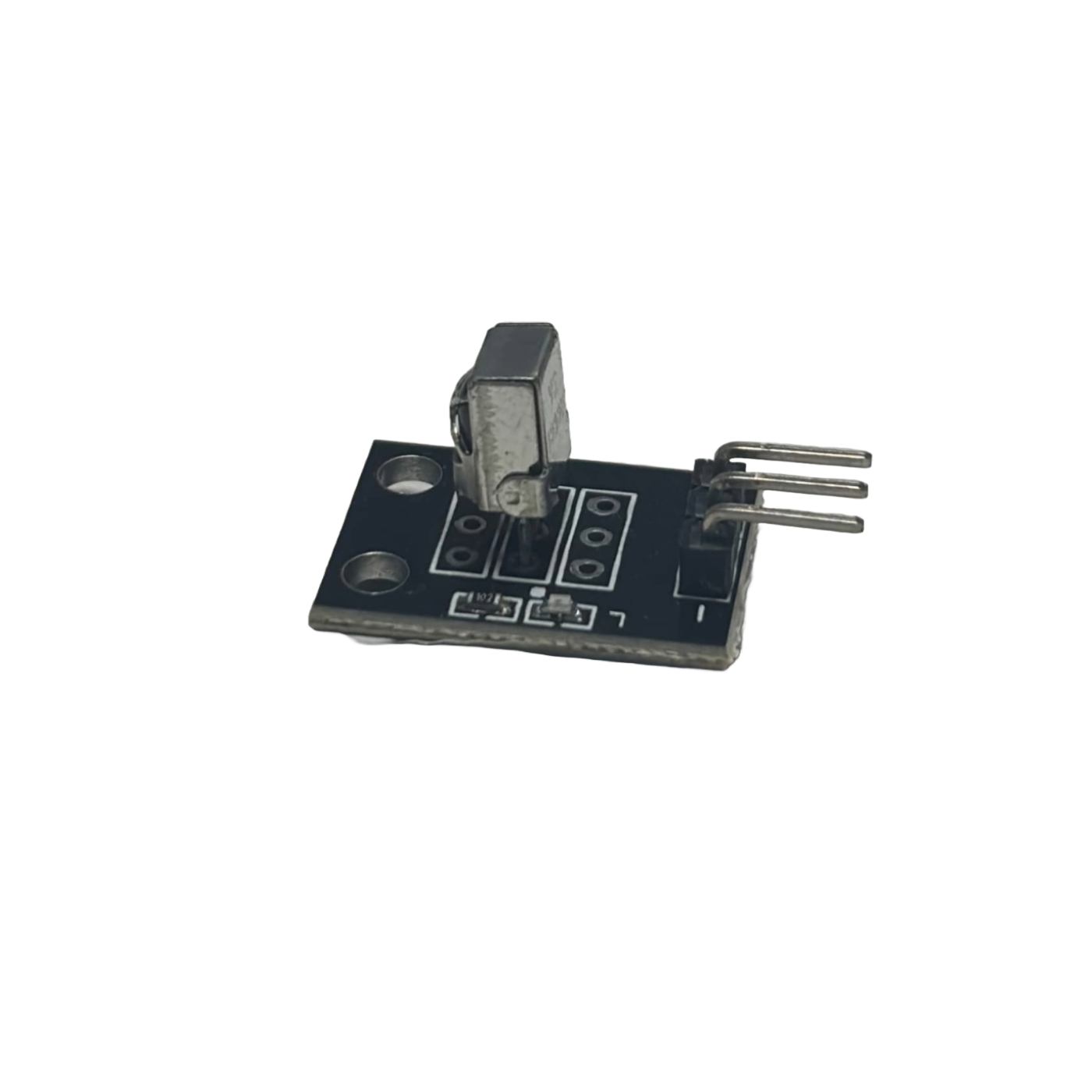 KY-022 Infrared Sensor Receiver Module
 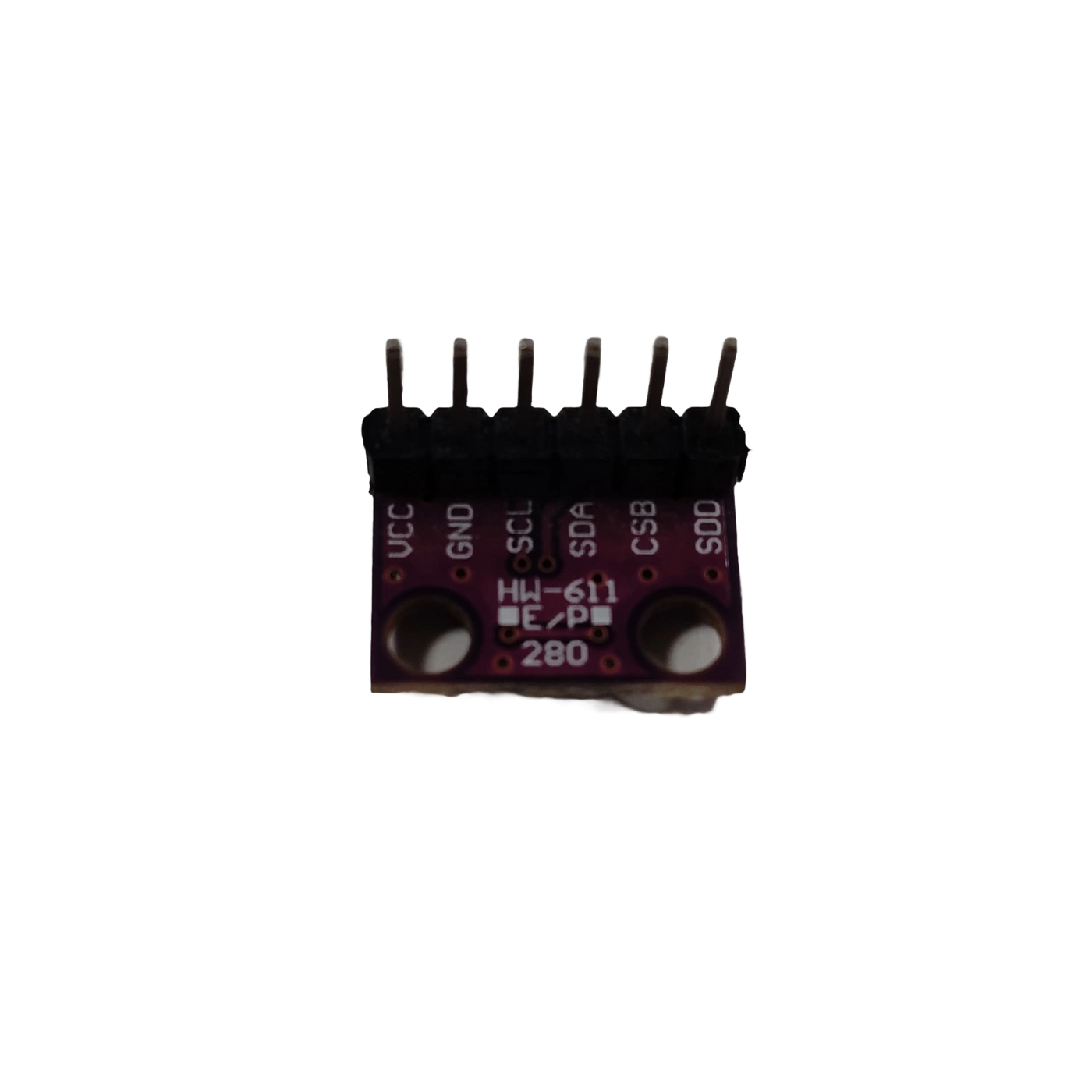 GY-BMP280-3.3 High Precision Atmospheric Pressure Sensor Module
 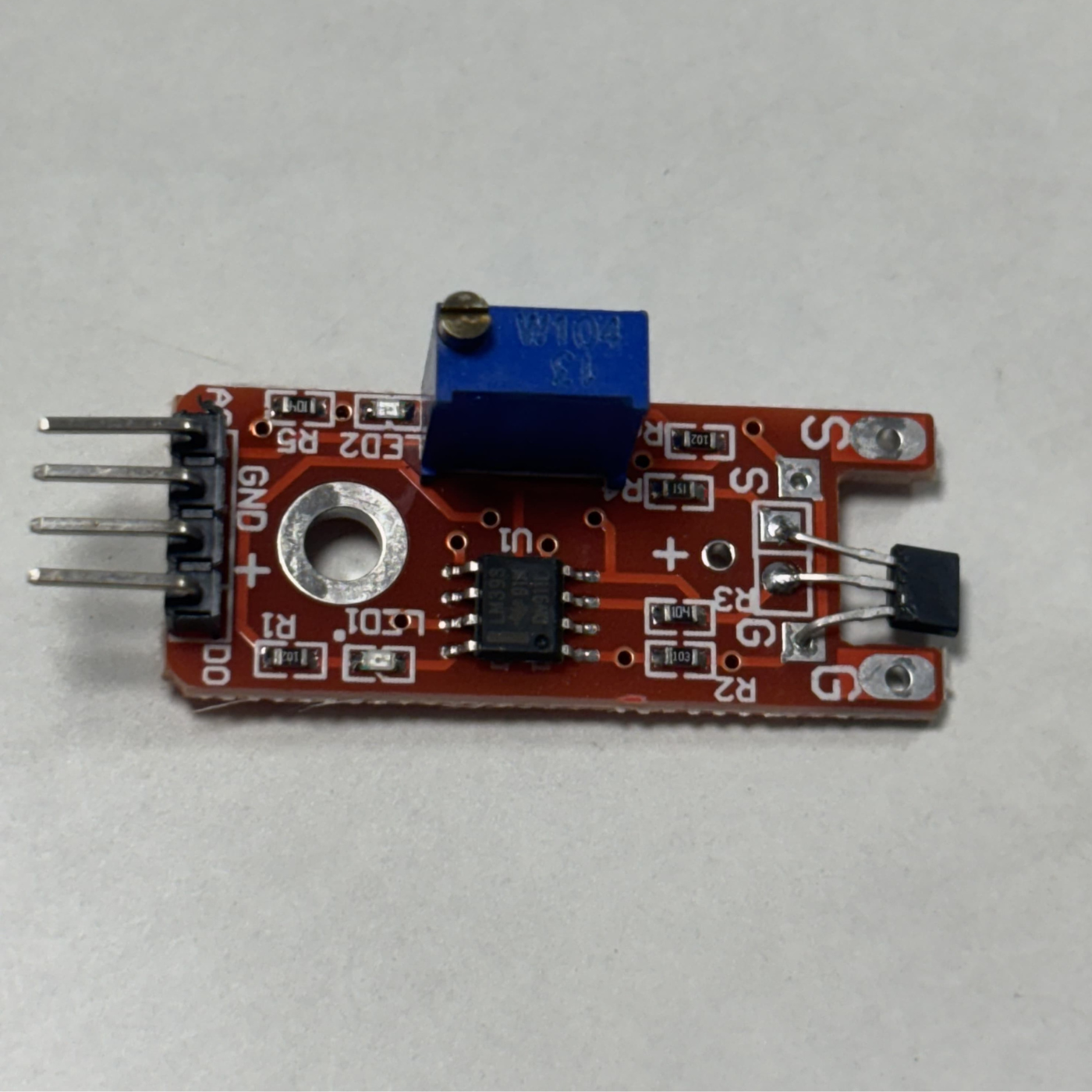 KY-024 Linear Magnetic Hall Sensor
 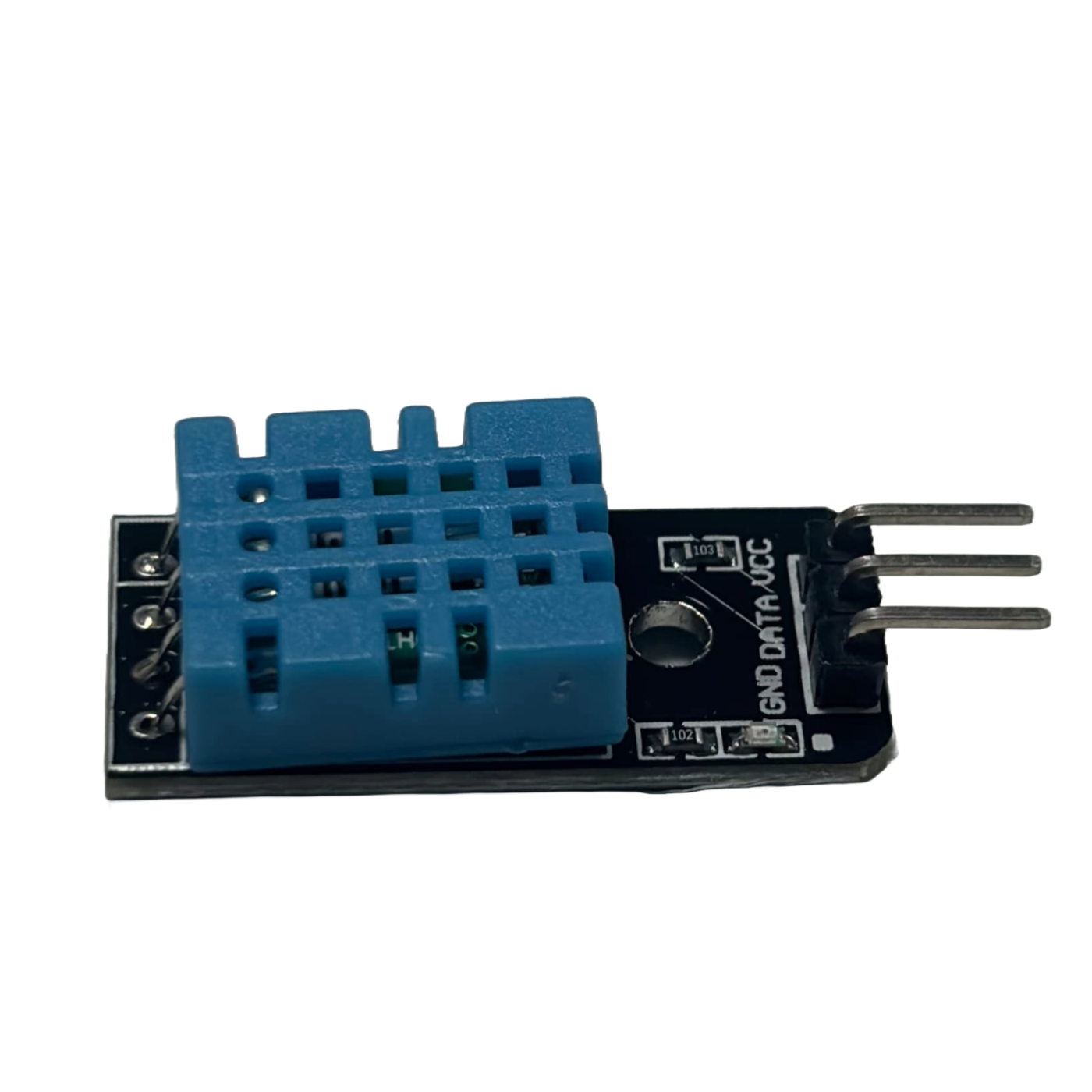 DHT11 Temperature and Humidity Sensor
 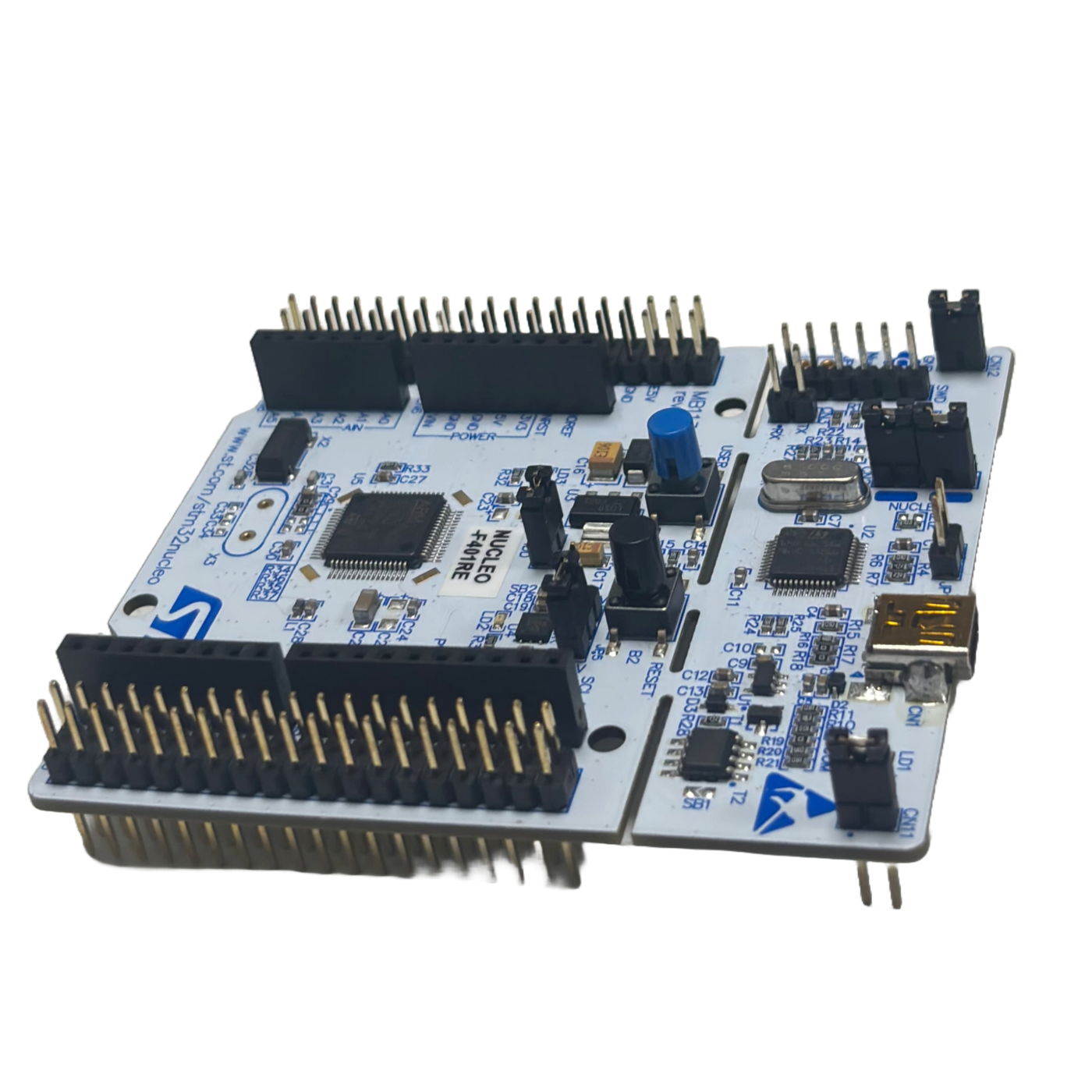 STM32
STM32
Reviews
There are no reviews yet.