
Description
About this item:
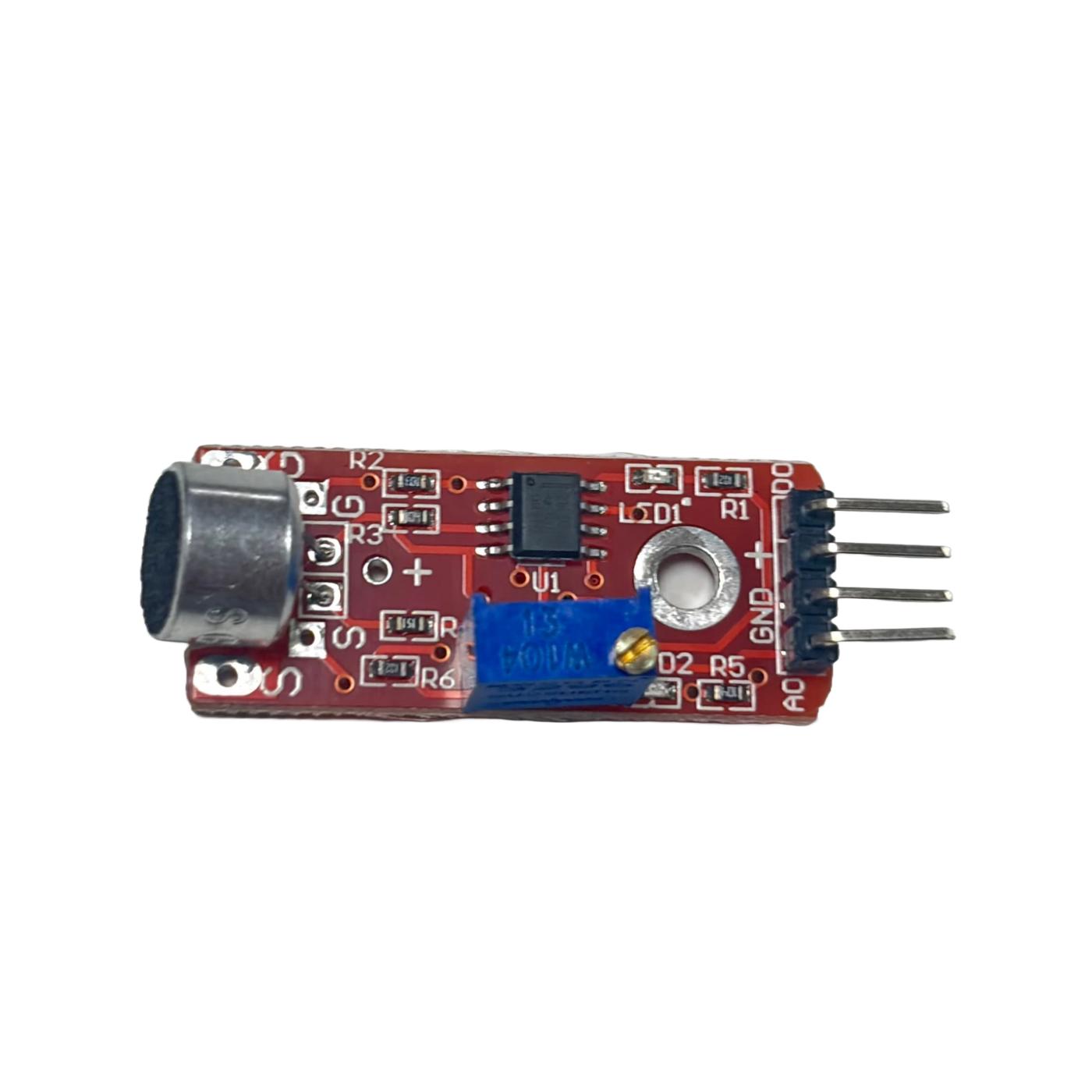
- Core Functionality: This module primarily acts as a sound detector, converting sound vibrations into electrical signals that can then be processed and interpreted by other electronic systems, such as microcontrollers like Arduino.
- Key Components:
- Electret Condenser Microphone: This is the transducer that captures sound waves and converts them into an electrical signal.
- LM393 Comparator: This integrated circuit (IC) processes the signal from the microphone, allowing for the detection of sound intensity exceeding a predefined threshold.
- Onboard Potentiometer: This adjustable resistor allows users to set the sensitivity or the sound level threshold at which the module triggers an output.
- LED Indicator: A visual indicator that typically illuminates when the detected sound level surpasses the set threshold.
- Operating Principle: Sound waves hitting the electret microphone’s diaphragm cause vibrations, which change the capacitance and generate a micro-voltage. This voltage is fed into the LM393 comparator, where it’s compared against the threshold set by the potentiometer. If the sound intensity exceeds this threshold, the module’s output changes state, typically a digital low signal, and the indicator LED lights up.
- Output and Applications:
- Digital Output: The module provides a digital output (high/low) when the sound intensity crosses the threshold, making it suitable for sound-activated triggers and alarms.
- Potential Analog Output: Some versions of the module may also offer an analog output, providing a real-time voltage signal proportional to the sound intensity for more nuanced applications.
- Applications: Commonly used in acoustic control light systems, sound and light alarms (especially with photosensitive sensors), sound-activated switches, sound detection in general, and various DIY electronics projects like clap circuits.
- Specifications:
- Type: Electret Condenser Microphone.
- Operating Voltage: Typically 3.3V – 5V DC (some electret microphones might tolerate up to 10V, but the module’s voltage limit is usually within this range due to the LM393).
- Frequency Range: 50 Hz – 10 kHz (for the microphone element).
- Sensitivity: -44 dB ± 2 dB (at 1 kHz, 0 dB = 1 V/Pa).
- Directivity: Omnidirectional.
- Output Type: Primarily Digital, some versions also offer Analog output
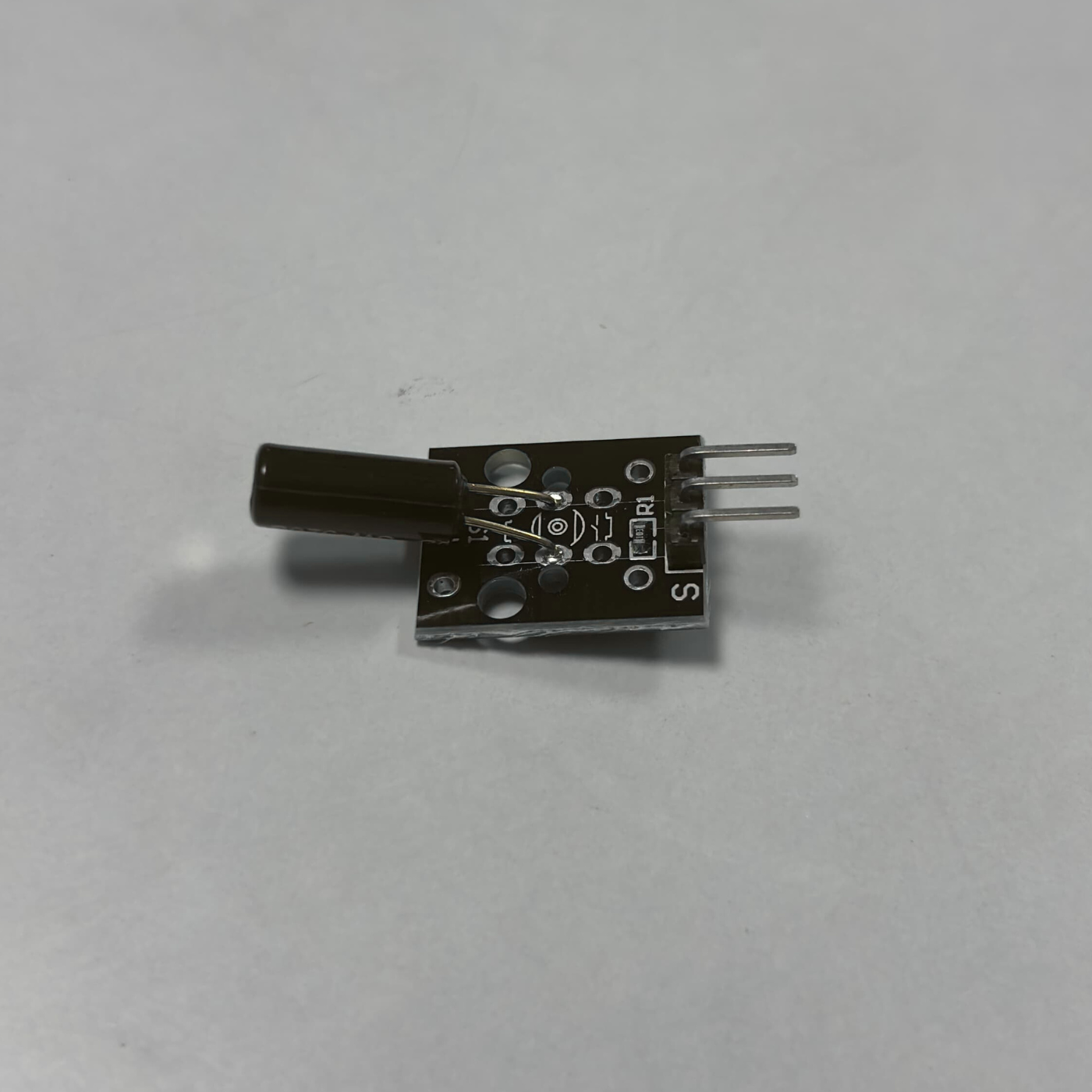 KY-002 Vibrating Switch Shock Sensor
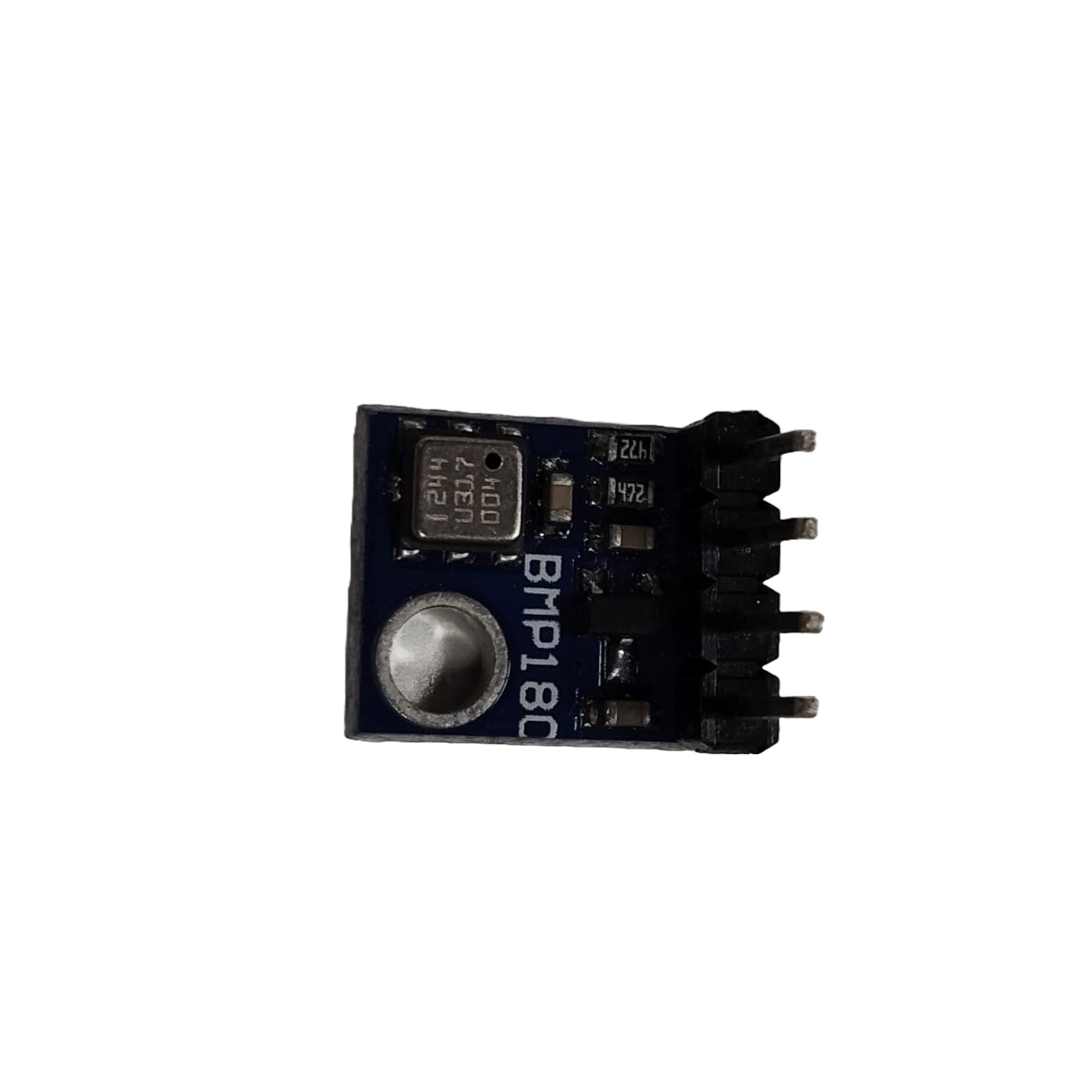
 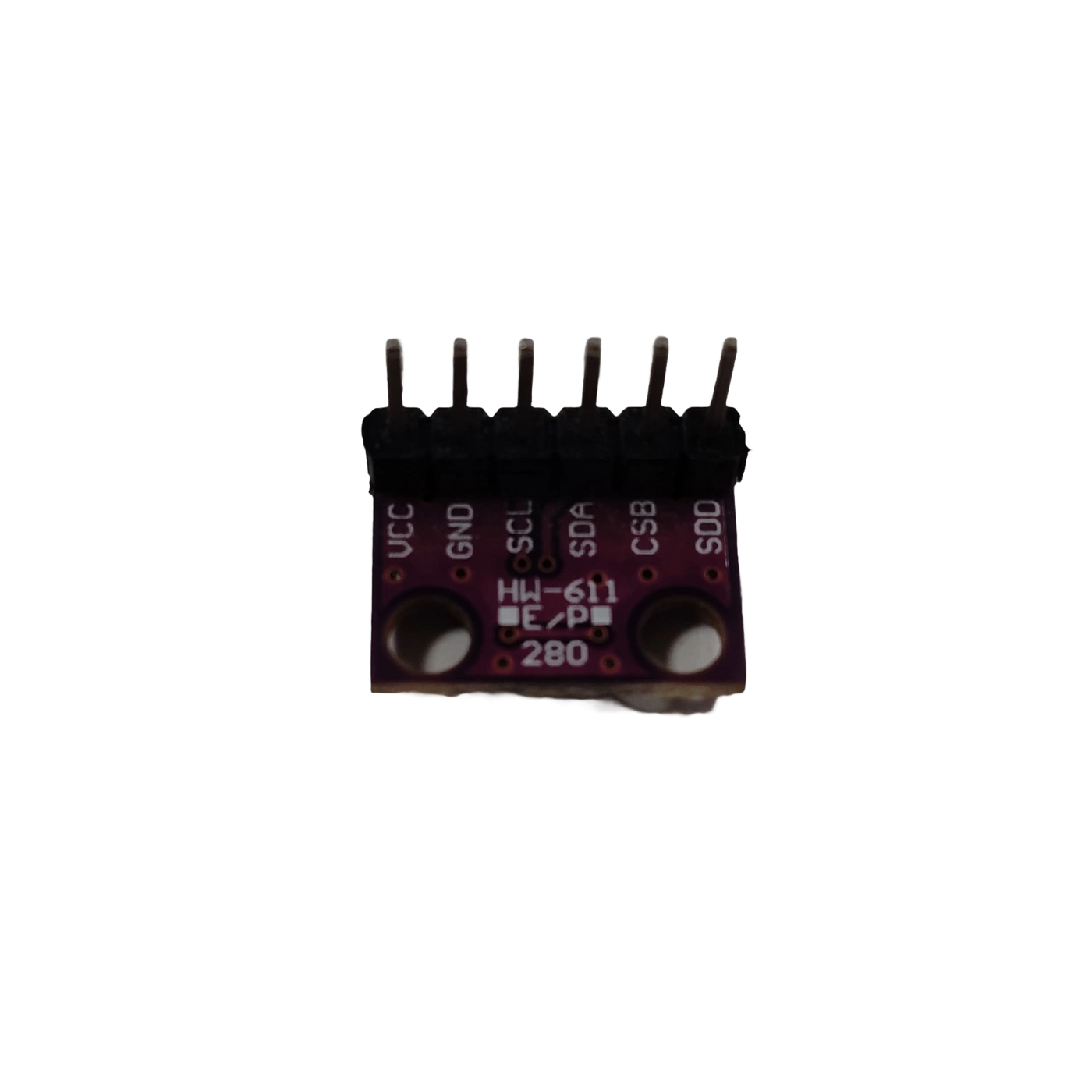 GY-BMP280-3.3 High Precision Atmospheric Pressure Sensor Module
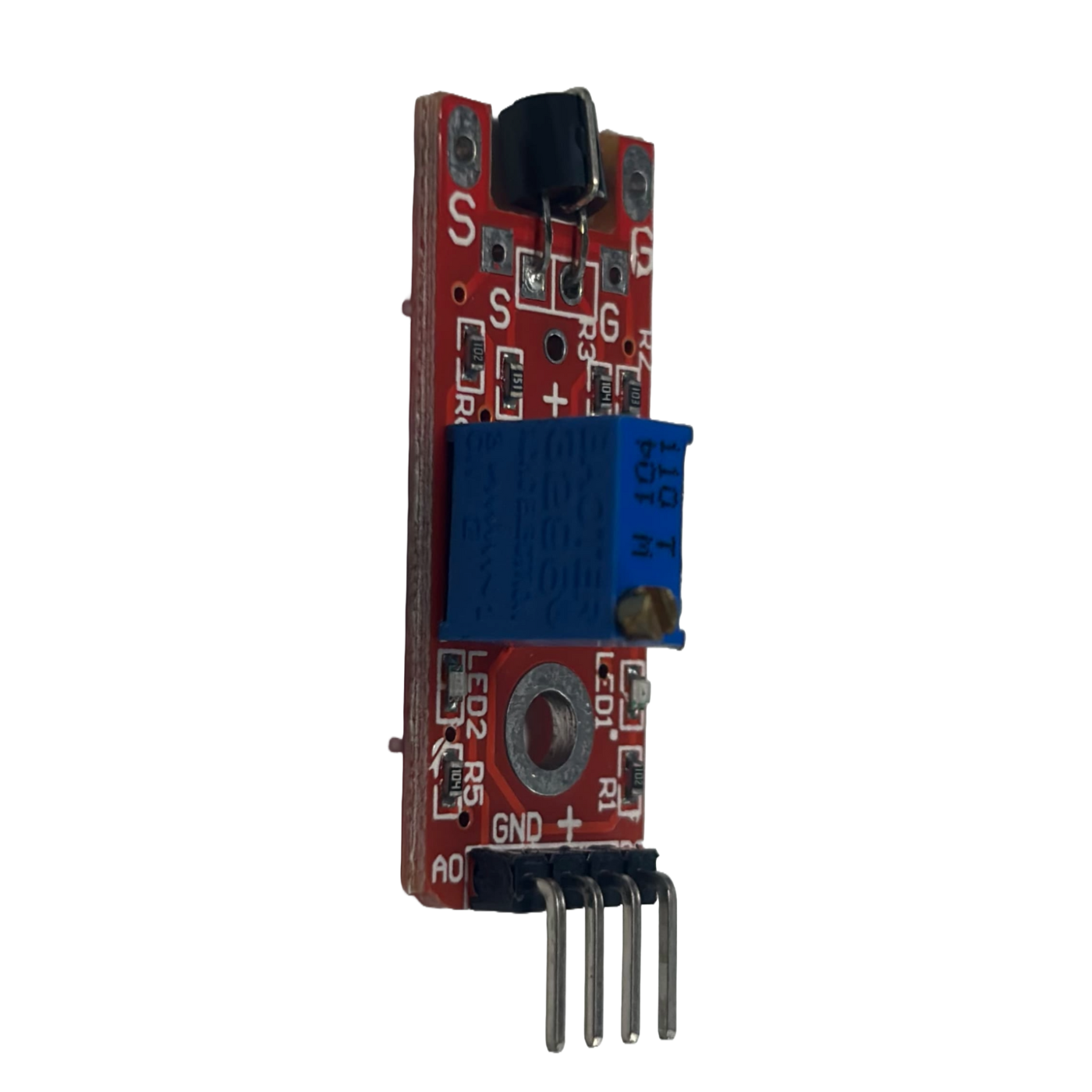
 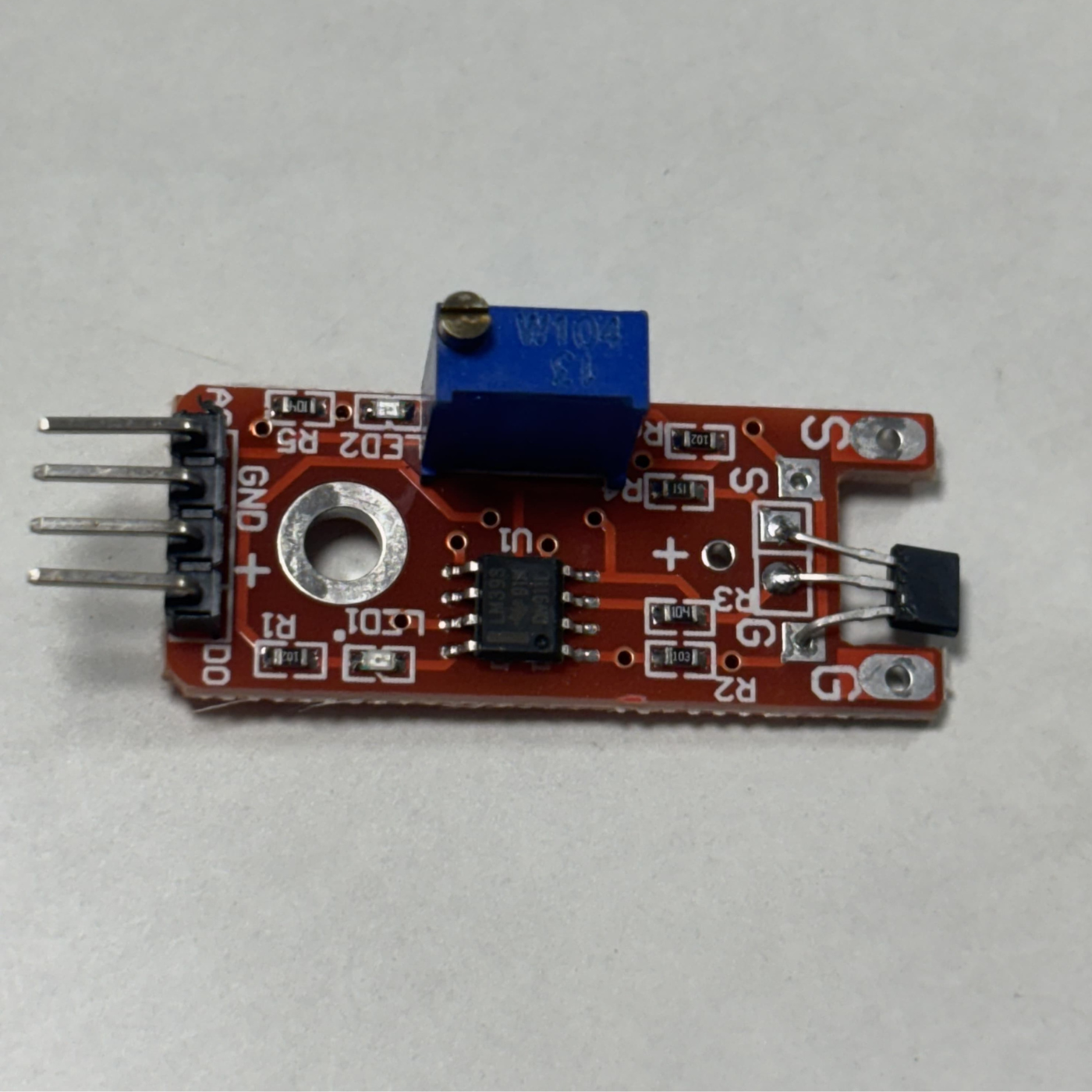 KY-024 Linear Magnetic Hall Sensor
 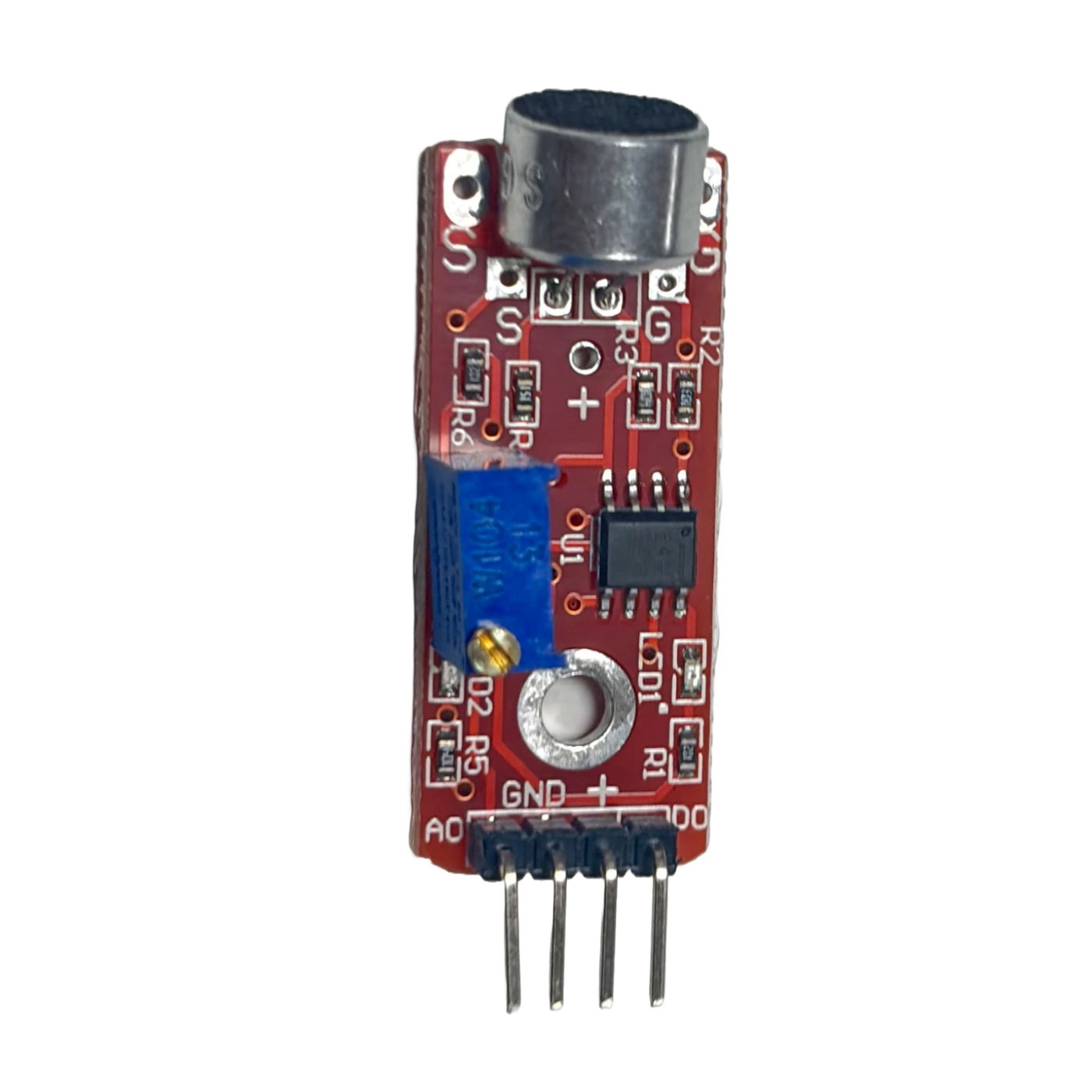 KY-037 High Sensitivity Sound Detection Sensor
Reviews
There are no reviews yet.